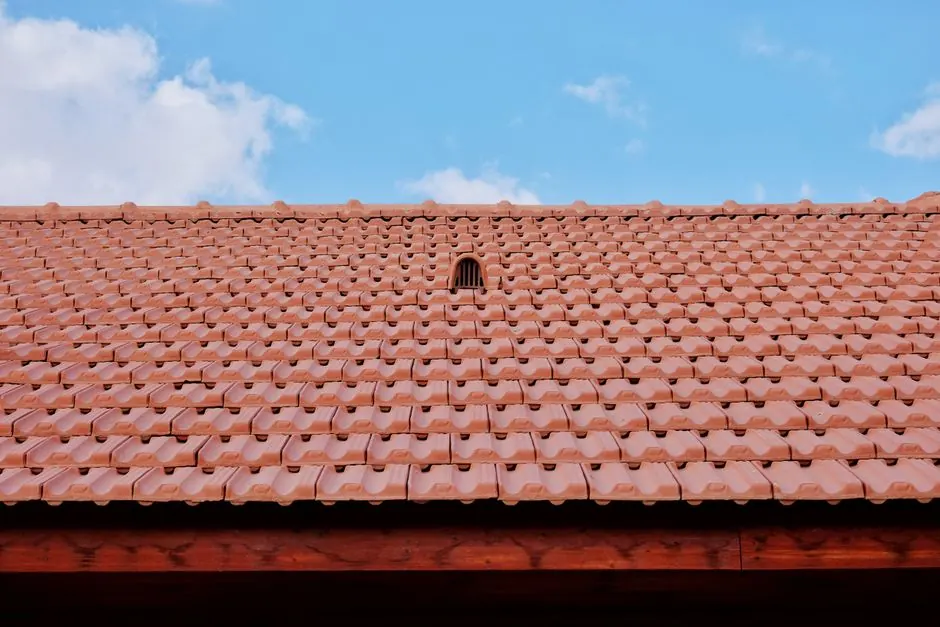
Roof ventilation is an often-overlooked aspect of home maintenance that can significantly impact your home's comfort and longevity. Understanding the benefits of roof ventilation in Wrightstown is crucial for homeowners looking to enhance their living environment. This article will explore the various advantages of proper roof ventilation, how it affects energy efficiency, and tips for implementation.
Understanding Roof Ventilation
Roof ventilation refers to the process of allowing air to circulate through your attic space. This circulation helps to maintain a balanced temperature and moisture level within your home. In Wrightstown, where humidity levels can fluctuate, having effective roof ventilation is especially important.
Energy Efficiency Gains
One of the primary roof ventilation advantages in Wrightstown is the increase in energy efficiency. Proper ventilation helps regulate attic temperatures, reducing the workload on your HVAC system. When your attic is well-ventilated, it remains cooler in the summer and warmer in the winter, leading to lower energy bills.
- Lower cooling costs in summer
- Reduced heating expenses in winter
- Extended life of HVAC systems
By investing in roof ventilation services in Wrightstown, you can expect to see a noticeable decrease in your energy expenses.
Prolonging Roof Lifespan
Another significant benefit of roof ventilation is its role in prolonging the lifespan of your roof. Excess heat and moisture can lead to premature aging of roofing materials, particularly in the humid climate of Wrightstown. By ensuring proper airflow, you can help prevent damage caused by trapped heat and moisture.
A well-ventilated roof can help:
- Prevent shingle warping and curling
- Reduce the risk of ice dams in winter
- Minimize the likelihood of mold and mildew growth
These factors contribute to the overall durability of your roof, saving you money on roof replacement in Wrightstown in the long run.
Improving Indoor Air Quality
Indoor air quality is a crucial aspect of any home. Inadequate roof ventilation can lead to the accumulation of harmful pollutants and allergens. By allowing fresh air to circulate, you can significantly improve the air quality within your home.
Benefits include:
- Reduction of indoor allergens
- Decreased humidity levels
- Enhanced comfort for occupants
For families in Wrightstown, ensuring good indoor air quality is essential, especially for those with respiratory issues.
Preventing Moisture Issues
Moisture buildup in attics can lead to serious problems, including wood rot and structural damage. Proper roof ventilation helps to mitigate these risks by allowing moisture to escape. This is particularly important in Wrightstown, where seasonal rains can lead to increased humidity levels.
Key moisture-related issues that can be prevented include:
- Mold growth
- Wood rot in rafters and beams
- Damage to insulation
Common Mistakes to Avoid
While roof ventilation is beneficial, homeowners often make mistakes that can hinder its effectiveness. Common errors include:
- Blocking vents with insulation
- Using inadequate ventilation systems
- Neglecting regular maintenance
A thorough roof inspection in Wrightstown can help identify and correct these mistakes, ensuring your ventilation system functions optimally.
When to Call a Professional
If you suspect that your roof ventilation is inadequate or if you notice signs of moisture buildup, it's time to consult with professionals. Wrightstown Roofing Experts can provide you with a comprehensive evaluation of your roof ventilation system.
Frequently Asked Questions
What are the benefits of roof ventilation for homes in Wrightstown?
Roof ventilation helps improve energy efficiency, prolongs roof lifespan, and enhances indoor air quality by allowing fresh air circulation.
How does roof ventilation help in Wrightstown?
In Wrightstown, proper roof ventilation mitigates moisture buildup and heat accumulation, which are crucial for maintaining a healthy and durable roofing system.
Why should I consider roof ventilation in Wrightstown?
Considering roof ventilation can lead to lower energy bills, improved air quality, and a longer-lasting roof, making it a wise investment for homeowners.
How to improve roof ventilation in Wrightstown?
Improving roof ventilation can be achieved by installing vents, ensuring proper insulation, and regularly maintaining the ventilation system to prevent blockages.
What signs indicate poor roof ventilation?
Signs of poor roof ventilation include excessive heat in the attic, moisture buildup, and visible mold growth. If you notice these, it's time to seek professional help.